
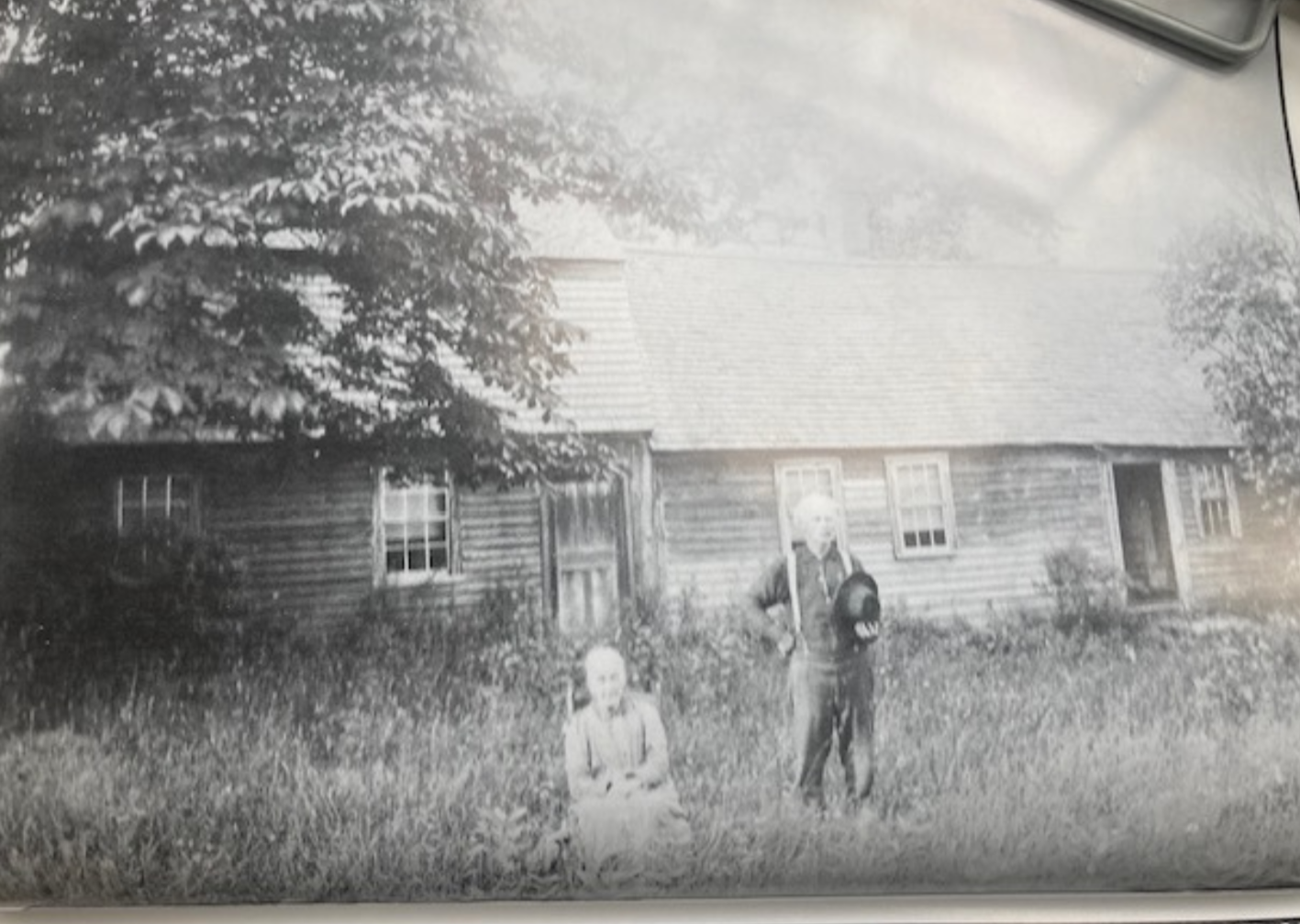
Colonial Times
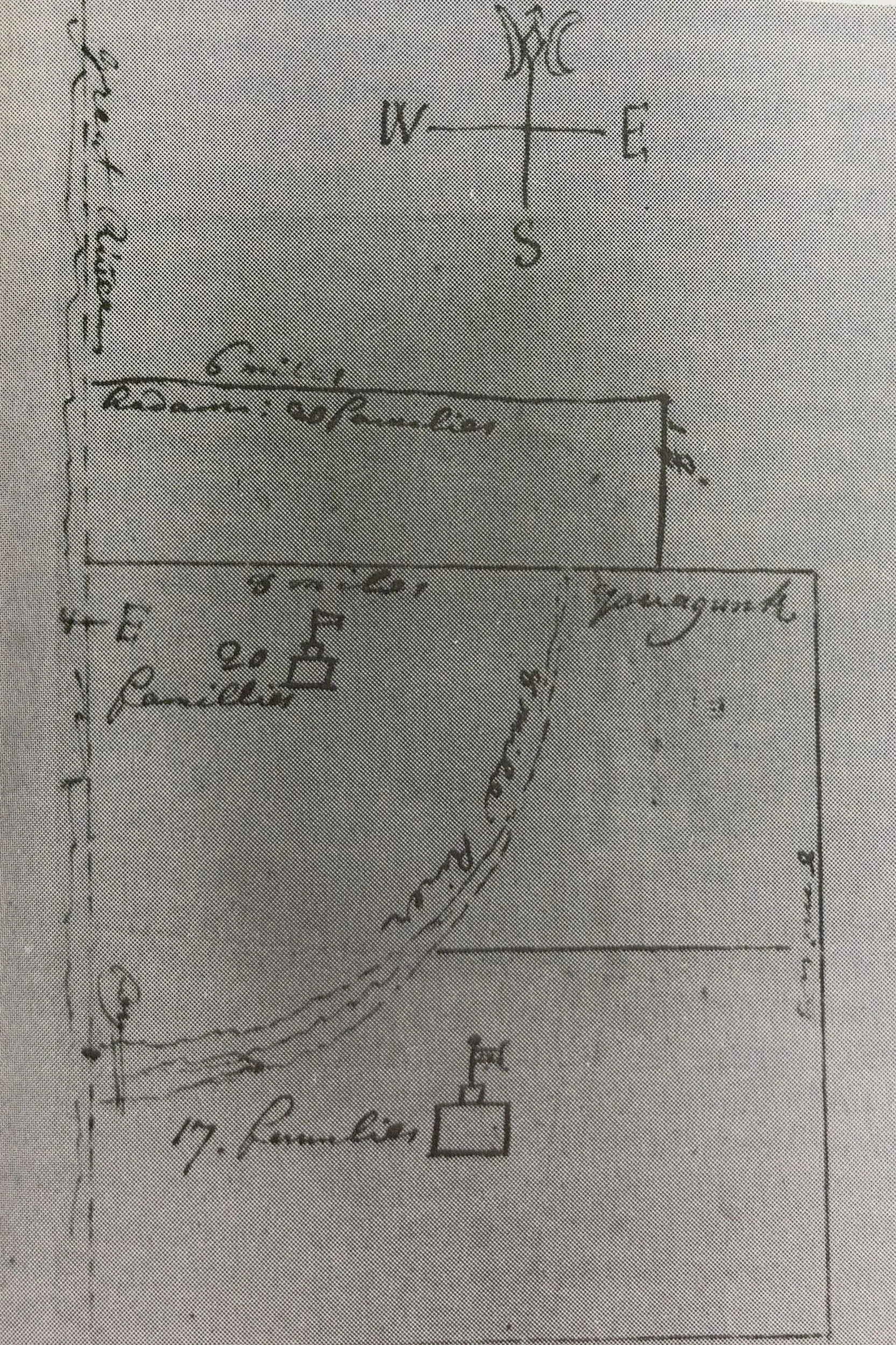
Public Library Archives, East Lyme, Connecticut
Land division was one of the most important items of business in Lyme because it was rapidly growing. A certain committee was appointed to survey the land. The land was divided into lots, upland, meadow, and common land. Four major divisions of the land were eventually made in Lyme. The first and second divisions were completed before 1667. They were called Black Hall and Duck River. The larger part of the town was eventually divided into the third and fourth divisions. These divisions took longer to complete. The final distribution of the fourth division was not finished until June 8, 1702. Highways, bridges, and ferries all played an important role in the expansion of Lyme.
During the Colonial time period, before East Lyme was founded, the area that we now call East Lyme was part of the town of Waterford or Lyme. Boundaries and technology were extremely important to the founding of the towns. With a rapidly growing population, boundaries were often created and construction occurred for better flow of the town. The church and town meetings were very important to the families of Lyme. In 1839, East Lyme became its own town.
Colonists embraced and applied technology to boundaries. They made sure bounds of private owners were carefully maintained. Once a New Englander had gained land from either distribution or purchase, they needed to establish and stabilize boundaries. Secured boundaries created certainty in ownership for any private landowners. Walking the legal limits of property determined physical boundaries using symbolic markers. The Connecticut boundary required towns to make sure that their bounds were set out, making sure the marks and boundaries were carefully set. The General Assembly required the town selectman to order two or more men to renew the bounds in March or April. Any town that did not set their bounds would forfeit $5, one half of the bordering town, and the other to the Treasury.
In the town of Lyme, the church and state were almost inseparable. The Puritan church united the political, religious, and educational responsibilities of the colony. Early ministers were highly respected. They sponsored legislation which maintained the dominance of the church. The church required public worship on Sundays and special fast days. In the church, seating was arranged due to age and social rank. By 1678, the number of families in Lyme had grown to 60. They needed to build a larger church, which was then commissioned.